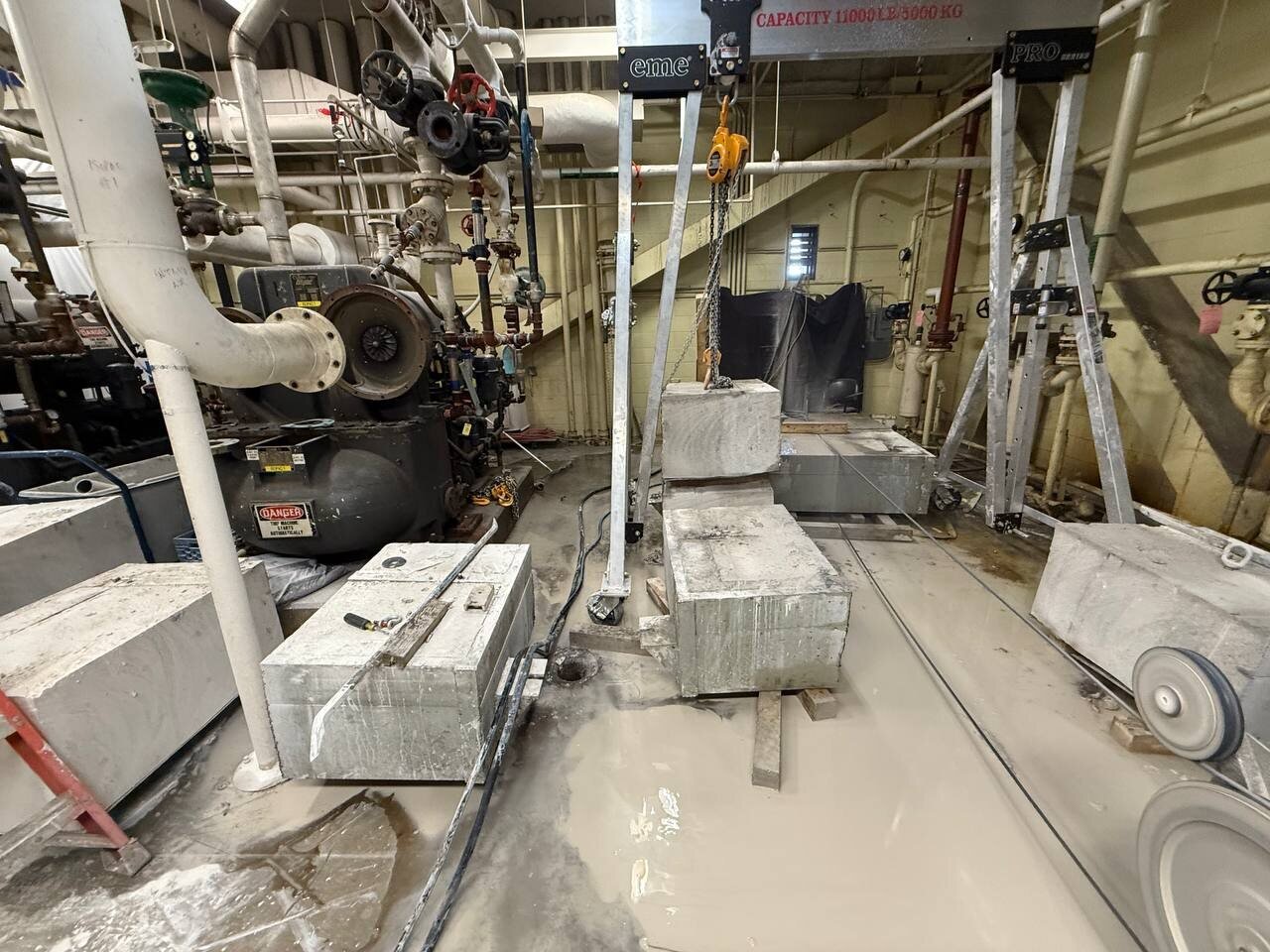
Massive foundations
Machine bases, press foundations and mass concrete where section thickness or embedded steel makes conventional cutting difficult.
Applications and structures
The strongest wire-sawing applications combine substantial material with a need for controlled separation. Structure, access and the removal route determine suitability.
Machine bases, press foundations and mass concrete where section thickness or embedded steel makes conventional cutting difficult.
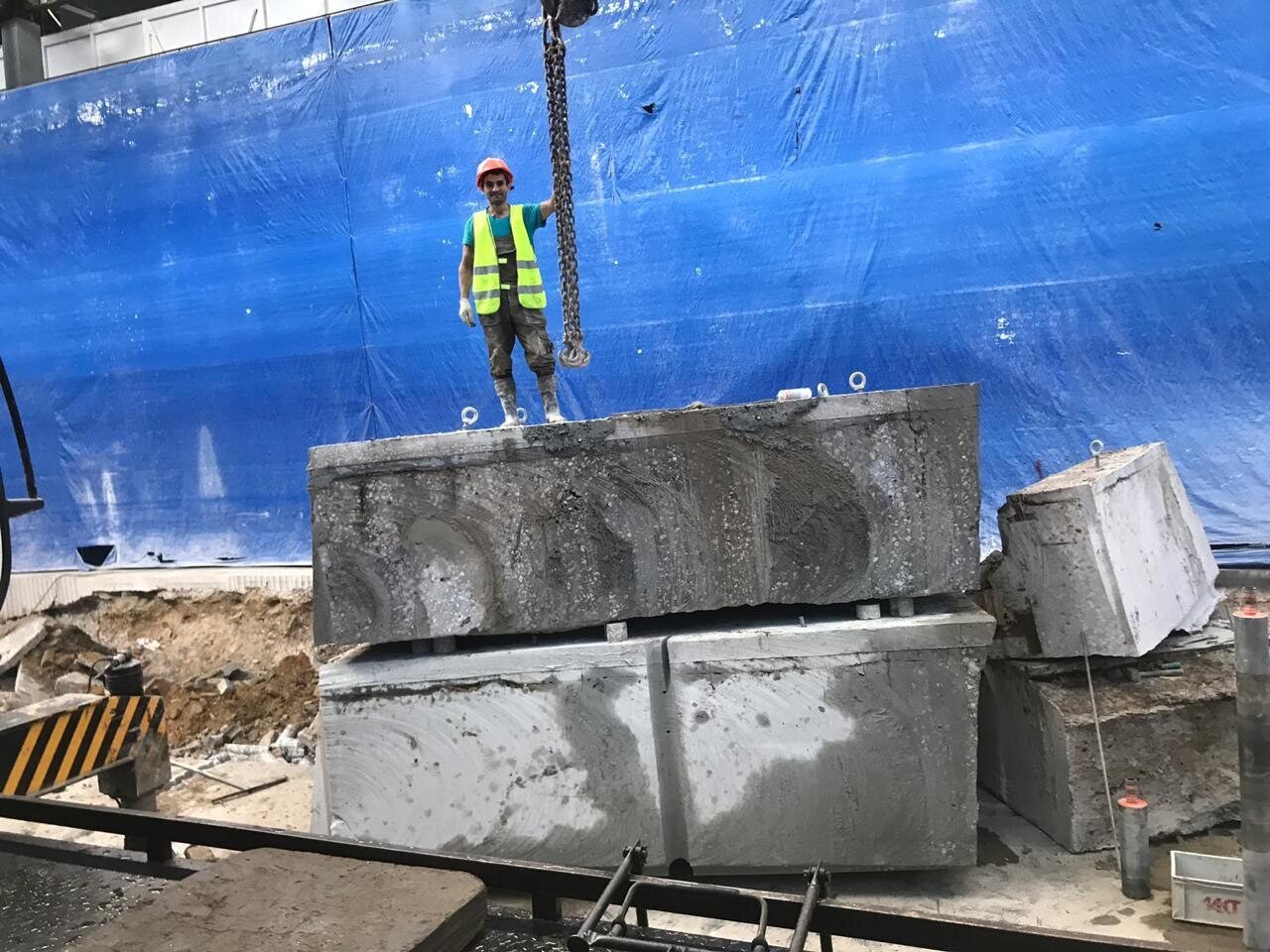
Structural elements that must be separated into supported, liftable sections without uncontrolled break-up.
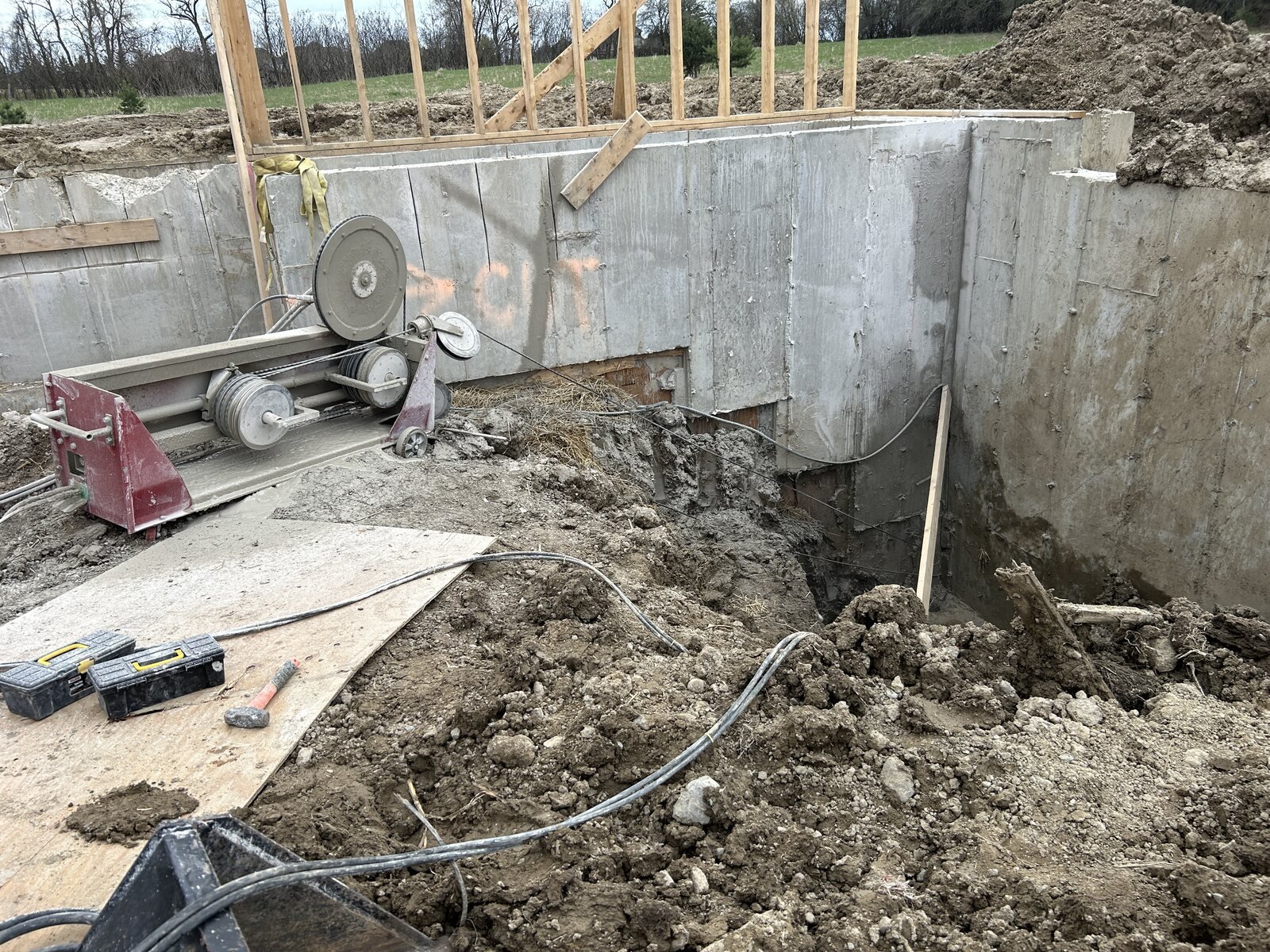
Deep reinforced sections, transfer slabs, vaults and heavy walls where blade access or reach is restricted.
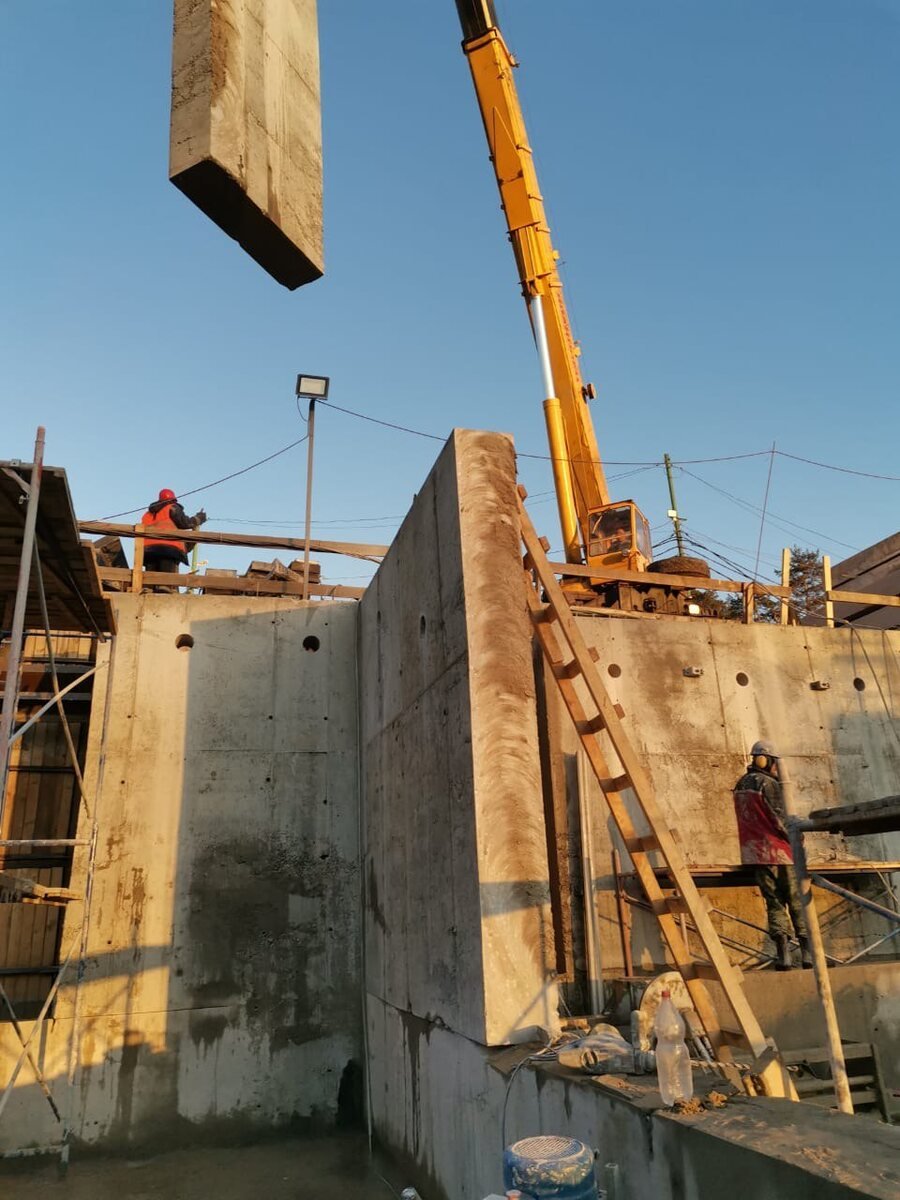
Operating plants, pits, bases and retrofit zones with access, shutdown and adjacent-equipment constraints.
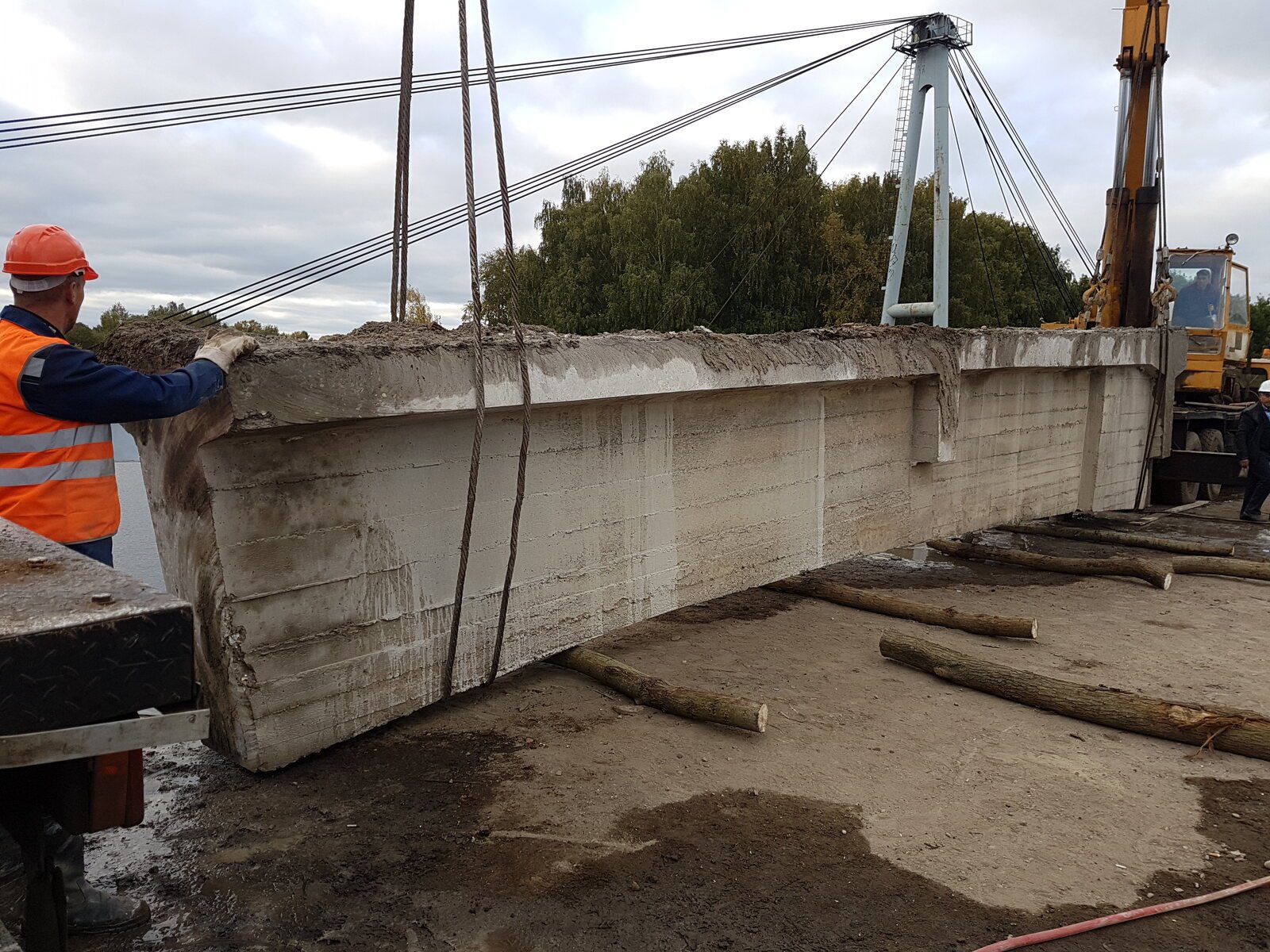
Bridge, transit, marine, hydro and civil concrete requiring deliberate cutting and lifting logistics.
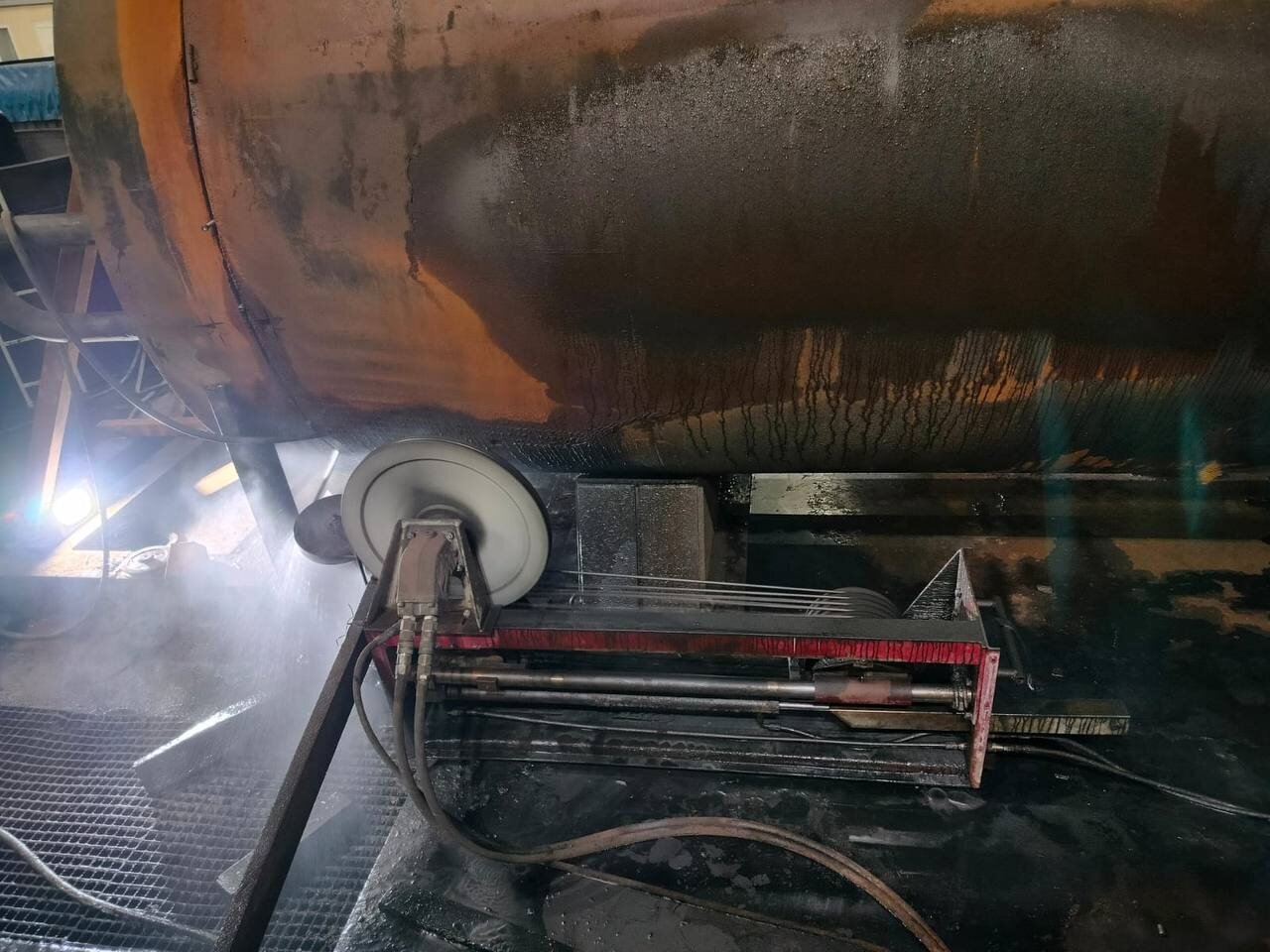
Heavy metal or composite elements where diamond wire is technically suitable after review.
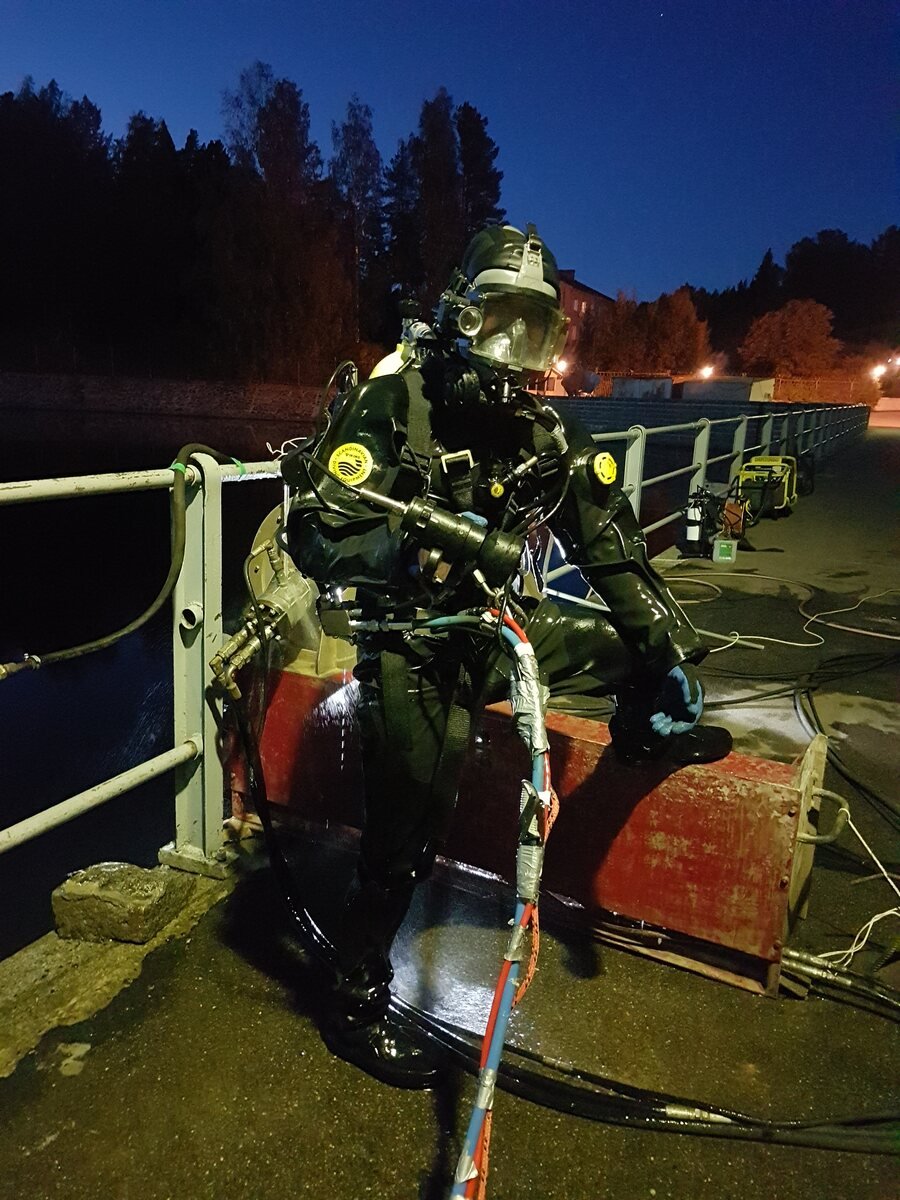
Selected underwater wire sawing scopes can be performed with our system in coordination with qualified local commercial-diving contractors. Diving, rigging and recovery requirements are reviewed per project.
Method selection
Project questions
Wire sawing is considered when concrete thickness, reinforcement, geometry or access makes a conventional blade impractical. The final choice depends on the whole removal plan, not thickness alone.
Selected steel and heavy-metal applications may be technically suitable, but not every alloy, geometry or project is a good fit. A technical review is required.
Yes, for selected projects. Our wire-sawing system can be deployed in coordination with qualified local commercial-diving contractors. The diving scope, material, access, rigging and recovery plan must be reviewed before the method is confirmed.
Wire sawing generally produces much less impact vibration than percussive demolition. Site-specific vibration limits and adjacent conditions should still be reviewed before work.
Start with the structure
Photos help. Drawings, dimensions, thickness, access and lifting constraints make the first review more useful.