Sequence before speed
A fast cut is not useful if the section cannot be supported, lifted or moved.
Canadian and international experience
The service positioning comes from hands-on heavy cutting experience. Historical international experience is kept separate from current Canadian work, without presenting overseas projects as local credentials.
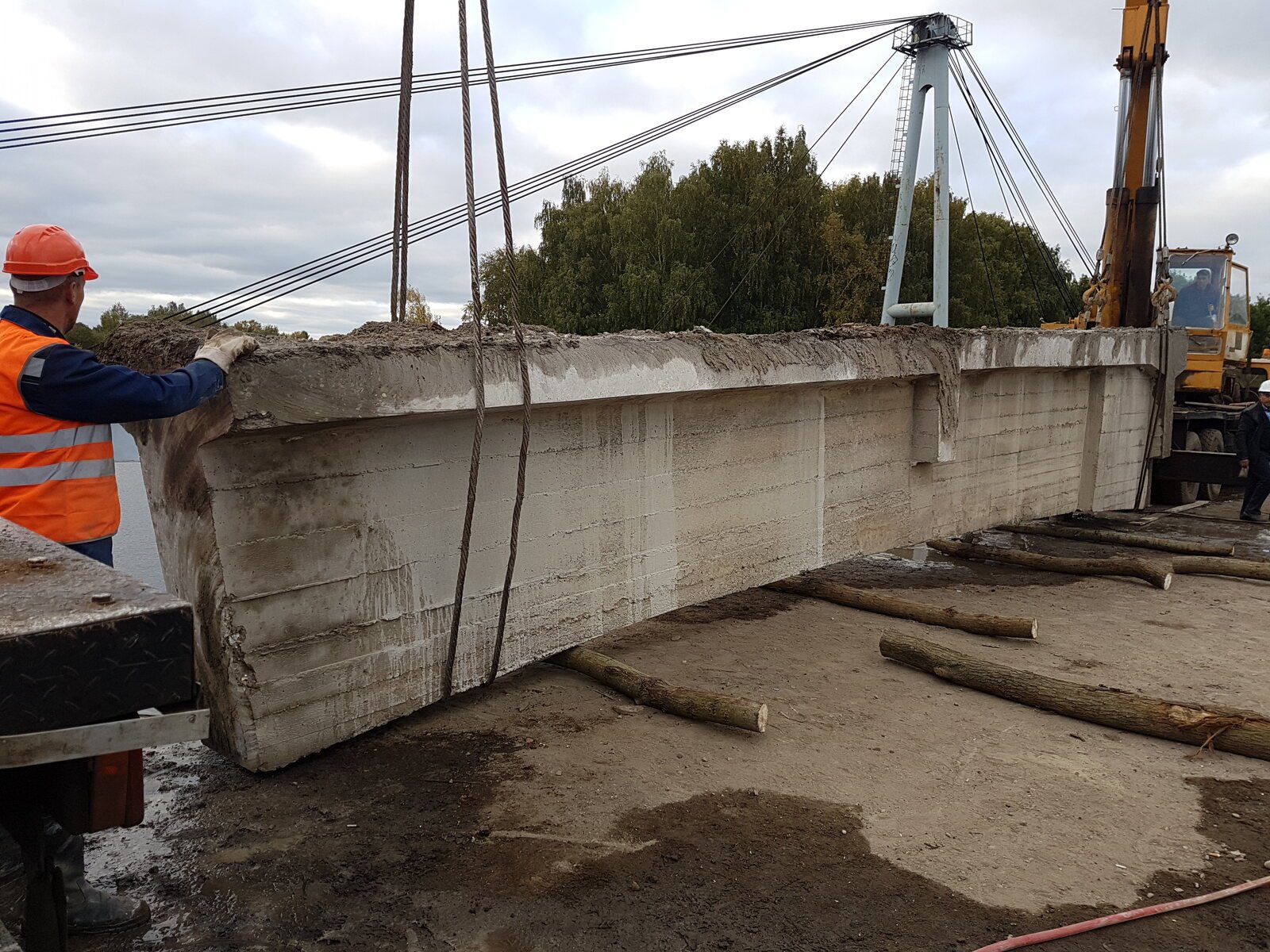
Historical international team experience
Members of the current wire-sawing team were responsible for cutting during a major international bridge demolition project before their current Canadian operations.
Work took place approximately 14 metres above water. Cranes and water-side lifting logistics were involved, and the bridge remained partially operational during the work. The scope was completed ahead of the original schedule.
This is historical overseas team experience. It is not presented as a Canadian Wiresawing.ca project.

How experience becomes a work plan
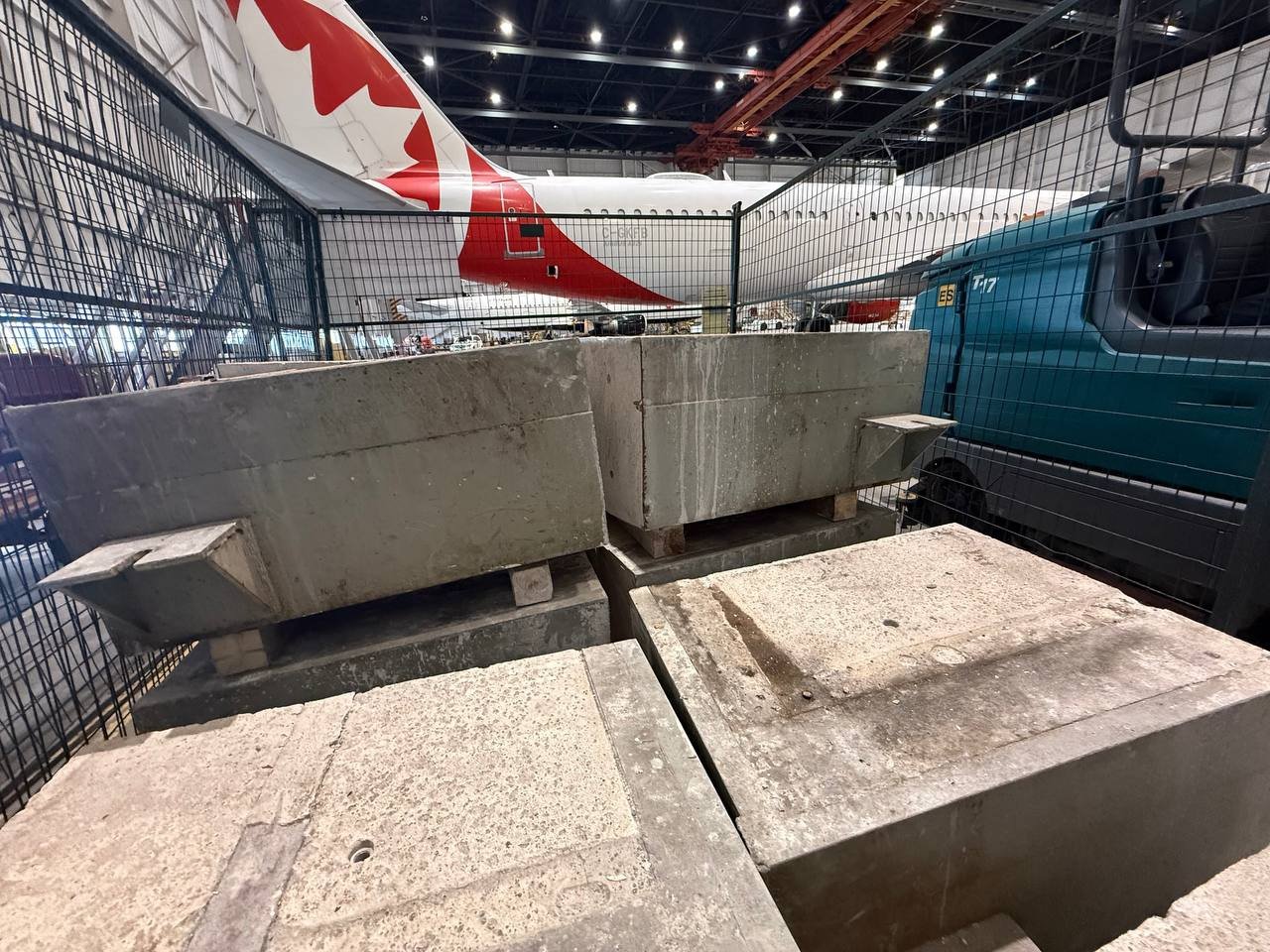
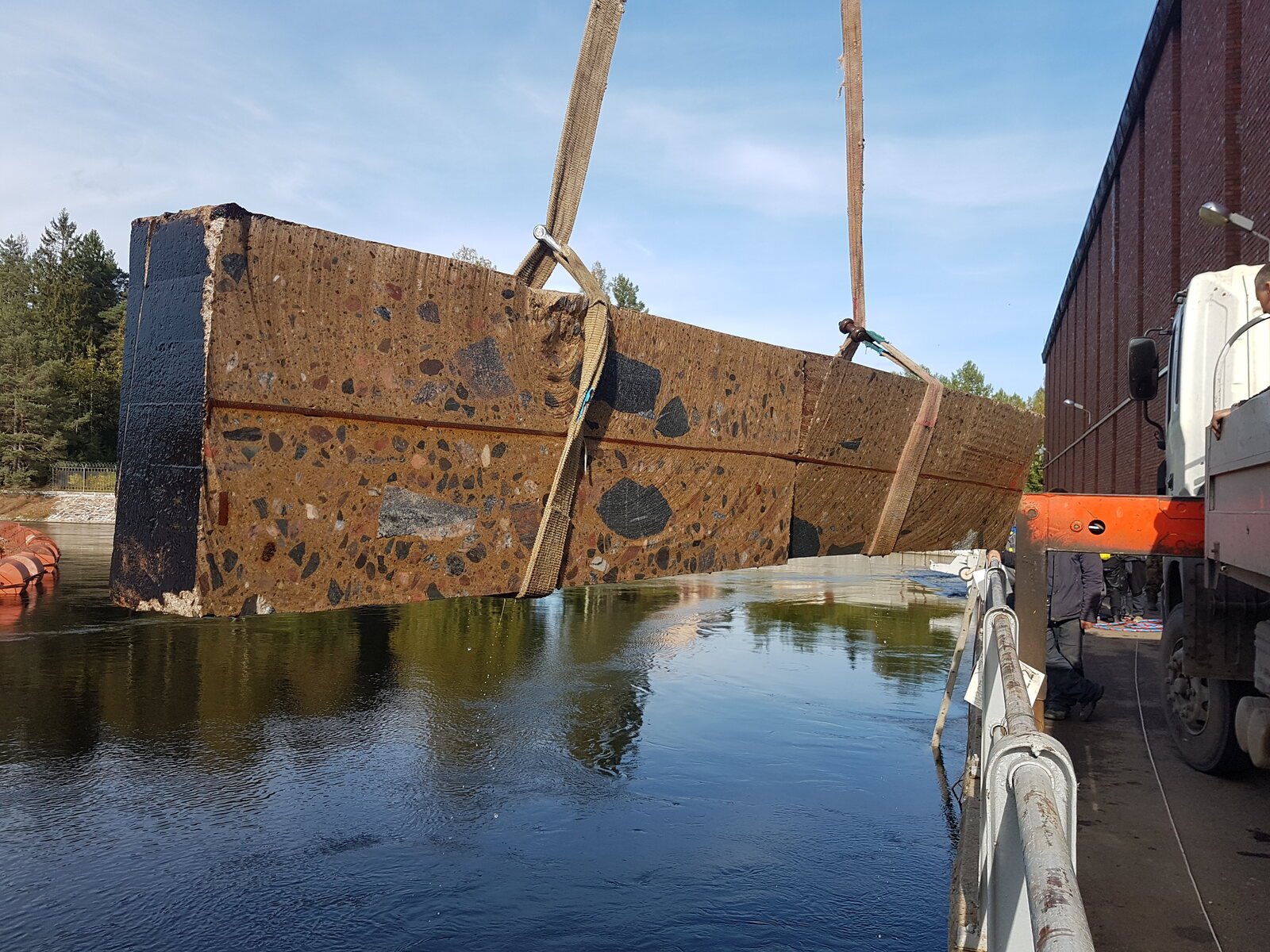
A wire sawing photograph shows that a cut was completed; it does not explain the temporary support, wire route, water control, segment weight or lifting sequence behind it. Those conditions are reviewed again for every new structure.
Before pricing, the team looks for dimensions, reinforcement, access for the drive and pulleys, available power and water, work-zone restrictions and the route each separated piece will take. Drawings and lifting limits reduce assumptions.
Completion is measured by controlled separation and a section ready for the planned removal step—not by cutting speed alone. This is why crane coordination, rigging and the remaining structure are part of the cutting discussion from the beginning.
What carries forward
A fast cut is not useful if the section cannot be supported, lifted or moved.
Crane reach, rigging and disposal shape section dimensions and cut quantity.
Traffic, water, winter and live facilities change how a scope is executed.
Wire sawing should be chosen because it fits—not because it is the equipment on hand.
Start with the structure
Photos help. Drawings, dimensions, thickness, access and lifting constraints make the first review more useful.