Campus facilities
We review the section thickness, reinforcement, wire route, work zone and removal plan before selecting the method.
Waterloo Region · Major project mobilization
Diamond wire sawing in Waterloo is considered for large structural cuts in research, institutional and commercial facilities where disruption must be contained.
Canada-wide project context
Occupied campuses and technical facilities can require disciplined water control, low vibration and coordination around building operations.
The crew mobilizes from Toronto and the GTA for large projects. No office or permanently stationed crew in Waterloo is implied.
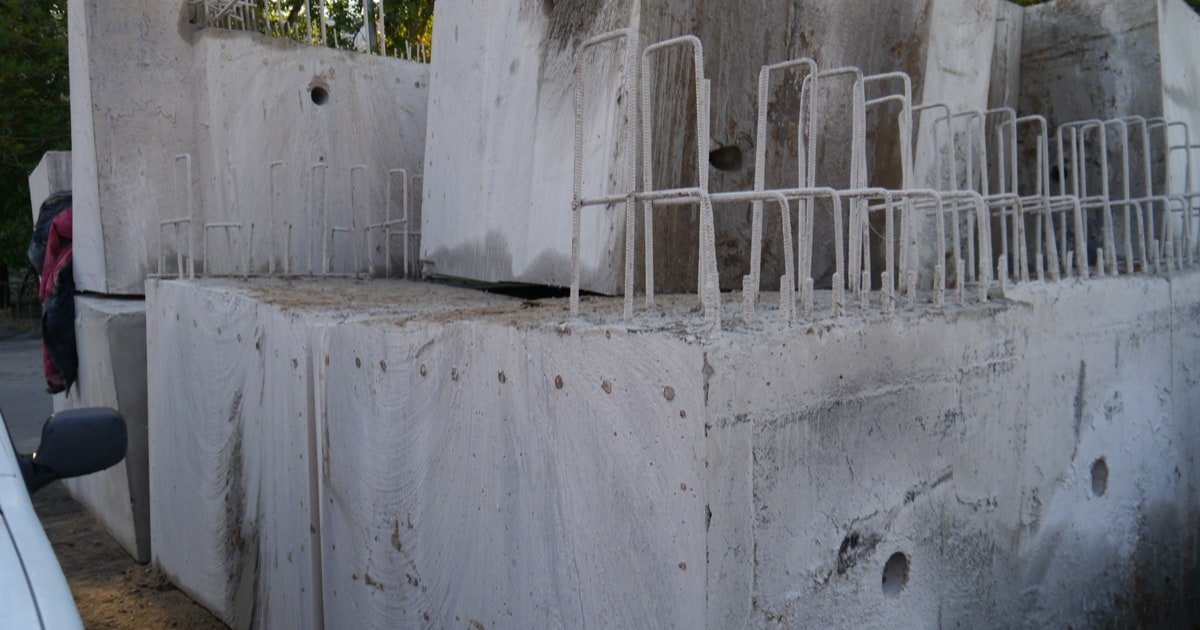
Real wire-sawing work
This project photograph illustrates the type of wire-sawing capability reviewed for Waterloo. It is not presented as a completed Waterloo project or as evidence of a local branch.
Typical Waterloo review
We review the section thickness, reinforcement, wire route, work zone and removal plan before selecting the method.
We review the section thickness, reinforcement, wire route, work zone and removal plan before selecting the method.
We review the section thickness, reinforcement, wire route, work zone and removal plan before selecting the method.
From inquiry to separation
Send photographs and approximate dimensions first. For large or structural sections, include drawings, access notes, lifting limits and timing. A site review may be required before pricing is finalized.
Related wire sawing areas
Read how diamond wire sawing works ↗Project questions
Yes. Diamond wire can cut concrete containing reinforcing steel. The reinforcement layout, section size and cutting conditions still affect the plan and estimate.
Send the location, photos, drawings if available, approximate dimensions, concrete thickness, structure type, access conditions, lifting or removal limits and required timing.
Wire sawing is considered when concrete thickness, reinforcement, geometry or access makes a conventional blade impractical. The final choice depends on the whole removal plan, not thickness alone.
Selected steel and heavy-metal applications may be technically suitable, but not every alloy, geometry or project is a good fit. A technical review is required.
Start with the structure
Photos help. Drawings, dimensions, thickness, access and lifting constraints make the first review more useful.